

 May 21, 2026
Tata Safari and Harrier
Full Body PPF in Lucknow.
Is It Worth It?
Last updated. 21 May 2026. Reading time. 13 minutes.
You own a Tata Safari or a Tata Harrier, and you are not asking whether to protect the paint. You have moved past that. The real question on your mind is sharper and more specific. Is full body paint protection film worth it, or is it more than your SUV actually needs.
That is an honest question, and it deserves an honest answer rather than a sales pitch.
This owner guide is built around exactly that decision. It is a clear, practical guide to Tata Safari PPF in Lucknow, and it applies equally to the Harrier, since the two are close siblings. It explains what full body PPF genuinely is, where a Safari or Harrier actually collects damage, who full body film is truly worth it for, and who is better served by a different plan. By the end you will have a clear and confident answer for your own car.
1. The full body PPF question. What this guide actually answers
You have reached the stage where the question is no longer whether to protect your SUV, but how far to go. That is the right question, and it deserves a careful answer.
A question worth asking honestly
Full body paint protection film is a significant decision. It is a meaningful spend on a Safari or Harrier, and once it is done, it stays with the car for years. A decision of that weight should be made with clear eyes, not on a showroom impulse.
Why generic advice does not help here
Most paint protection advice simply tells you that film is good and more film is better. That is not genuinely helpful when you are weighing a real budget. The useful question is not whether full body PPF works, because it does. The useful question is whether it is the right choice for your car and your ownership.
What this guide promises
This guide will give you an honest answer, not a single answer. Full body PPF is genuinely worth it for some Safari and Harrier owners and more than necessary for others. The aim here is to help you see clearly which one you are.
Implications of not asking it
An owner who books full body PPF without thinking it through may spend heavily on coverage their use does not call for. An owner who dismisses it without understanding it may miss a choice that would have suited them perfectly. Both come from skipping the question.
Steps to take now
As you read on, keep two things in mind. Your own Safari or Harrier, and how you genuinely use and keep it. Those two facts, more than anything else, decide the right answer for you.
2. The Safari and the Harrier. What you are protecting
Before the decision, it helps to be clear about what a Safari and a Harrier actually are, and why this guide treats them together.
Two SUVs, one family
The Tata Harrier and the Tata Safari are close siblings. They are built on the same architecture and share the same core body, design language and panels. The Safari is, in simple terms, the longer three row version, while the Harrier is the five seat version. For paint protection, their needs are effectively identical, which is why every point in this guide applies to both.
What the paint is like
Both SUVs wear bold, modern paint, often in rich dark shades and striking dual tone schemes. The Harrier and Safari Dark Edition, with its gloss black panels, is a particular favourite. These finishes look superb, and they also show every swirl mark, chip and scuff clearly. A car designed to look this striking shows its flaws just as clearly.
What it faces in Lucknow
Lucknow is demanding on car paint. Summers bring fierce ultraviolet light and heat well past 40 degrees, as recorded by the India Meteorological Department. The monsoon brings rain and humidity, and the air carries heavy dust, with particulate levels that government data from the Central Pollution Control Board shows climbing through the post monsoon weeks. Highways add stone chips, and car parks add knocks and scuffs.
Implications of leaving it exposed
A Safari or Harrier driven through these conditions with no protection will show it. The gloss flattens, the front gathers chips, and the bold finish slowly looks tired rather than sharp.
Steps to picture your own car
Hold your own SUV in mind, its colour and how striking its finish is. The bolder the paint, the more clearly it rewards protection, and the more clearly it shows neglect.
3. What full body PPF actually is, and what it does
To judge whether full body PPF is worth it, you first need a clear and honest picture of what it actually is.
What full body PPF means
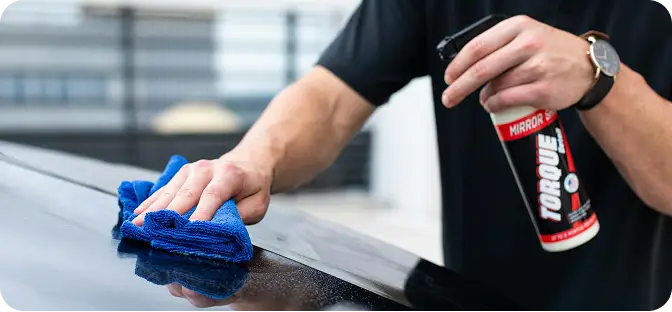
Paint protection film is a clear, tough film applied physically over the paint. Full body PPF simply means that every painted panel of the SUV is covered, rather than only selected areas. On a Safari or Harrier, that is the bonnet, bumpers, fenders, every door, the roof, the pillars and the rear, all wrapped in film.
What it genuinely does
Full body PPF gives the whole car a real, sacrificial layer. It takes stone chips, scratches and light scuffs instead of the paint. Many quality films also self heal light marks with warmth. Because every panel is covered, the entire factory finish is sealed and preserved exactly as it left the showroom.
What it does not do
It is honest to be clear about the limits. PPF is not armour against a heavy collision, and it does not change the structure of the car. It protects the paint surface, not the metal beneath from a serious impact. It is paint protection, which is exactly what it claims to be, and no more.
Implications of misunderstanding it
An owner who expects full body PPF to make the car indestructible will be disappointed. An owner who understands it as complete protection of the paint finish will value it correctly, for the genuine and worthwhile thing it is.
Steps to set the right expectation
Think of full body PPF as a clear, sacrificial shield over every painted panel. With that accurate picture set, the next section explains where a Safari or Harrier actually needs that shield most.
4. Where a Safari or Harrier actually takes damage
This section is the key to the whole decision, because the honest answer to is it worth it depends on understanding where damage genuinely happens.
The high risk zones
On a Safari or Harrier, paint damage is not spread evenly. It concentrates in clear zones. The front, meaning the bonnet, bumper and fenders, takes the most stone chips. The lower body, meaning the rocker panels and lower doors, collects grit and scuffs. The high touch areas, such as door handles, door edges and the rear loading area, gather scratches from daily use. These are the zones that genuinely take punishment.
The lower risk panels
Other panels lead a much gentler life. The roof, the upper halves of the doors and the upper rear panels are rarely struck by stones or scuffed in car parks. They face sun and weather, but very little physical impact. They are the low risk part of the car.
Why this matters for the decision
Here is the honest heart of the matter. Partial PPF already protects the high risk zones, which is where most damage actually lands. Full body PPF adds the low risk panels as well. So full body film is not mainly about defending against the most likely damage, because partial film already does that. It is about total coverage, sealing every panel, including the ones that face little risk.
Implications of ignoring the pattern
An owner who does not understand this pattern may assume full body PPF is simply the safe default. In truth, it is a specific choice with a specific value, and that value is total coverage rather than extra protection where damage is most likely.
Steps to map your car risk
Picture how your Safari or Harrier is driven and parked. The clearer you see where it genuinely collects damage, the clearer the next section becomes, where the honest worth it answer is finally laid out.
5. Is full body PPF worth it. The honest answer
This is the question you came here for, and here is the honest answer. Full body PPF is genuinely worth it for some Safari and Harrier owners and more than necessary for others.
When full body PPF is genuinely worth it
Full body PPF is worth it if you intend to keep your Safari or Harrier for the long term, if you do high highway mileage, if you want the SUV to stay flawless for the best possible resale, or if you simply want complete freedom from paint worry and your budget allows it. It is also a strong choice for a bold dark finish, where any mark on any panel shows clearly. For these owners, total coverage genuinely earns its cost.
When it is more than you need
Full body PPF is more than you need if you expect to change the car within two or three years, if your driving is mostly low speed city use, or if your budget is better spent in proportion to real risk. For these owners, protecting the high risk zones with partial film and adding a ceramic coating is the smarter, more proportionate plan.
What the extra spend actually buys
Be clear about what the extra cost of full body over partial film actually delivers. It does not buy much additional protection against likely damage, because partial film already guards the high risk zones. What it buys is total coverage, the whole factory finish preserved, the best resale presentation, and complete peace of mind. You are paying to protect the low risk panels as well, and whether that is worth it depends entirely on how much you value total coverage and long ownership. A repaint of even one panel is a real expense, as our guide to car painting cost in Lucknow explains, which is part of what full coverage guards against.
Implications of the wrong choice
An owner who buys full body PPF but sells the car in two years has paid for years of protection they did not use. An owner who skips it but keeps the car for a decade may wish every panel had been sealed. Matching the choice to your ownership is what avoids both.
Steps to decide for your car
Ask yourself honestly how long you will keep the SUV, how much you drive on highways, how much the bold finish matters to you, and what your budget comfortably allows. If the answers lean long term and highway heavy, full body PPF is worth it. If they lean short term and city based, a proportionate plan serves you better.
6. The honest comparison. Full body PPF, partial PPF and ceramic coating
To make the decision fully, it helps to see the three main options side by side. They are not rivals so much as different answers for different owners.
Partial PPF
Partial PPF covers the high risk zones only, typically the front and other high impact areas. It protects exactly where a Safari or Harrier genuinely collects damage, at a far gentler cost than full body film. For many owners, it is the sensible, proportionate choice.
Full body PPF
Full body PPF covers every painted panel. It seals the entire finish, preserves total originality and gives the best resale presentation. It costs considerably more, and it is the right choice for long term keepers who want complete coverage and complete peace of mind.
Ceramic coating
Ceramic coating is a different kind of product. It does not stop stone chips or scratches, but it deepens the gloss, resists ultraviolet light and light chemicals, and makes washing far easier and safer. It is affordable and suits owners who want an easy clean, glossy finish.
| Option | What it protects on a Safari or Harrier | Best suited to |
|---|---|---|
| Partial PPF | The front and other high impact zones only | Owners protecting the genuine risk areas at a gentler cost |
| Full body PPF | Every painted panel on the SUV | Long term keepers wanting total coverage and the best resale |
| Ceramic coating | Gloss, ultraviolet defence and easy cleaning, no impact protection | Owners wanting an easy clean, glossy finish |
How they fit together
These options can be combined, and often are. Many Safari and Harrier owners pair PPF, whether partial or full body, with a ceramic coating applied on top. The film provides the physical protection, and the coating adds gloss and easy cleaning over it. A common, sensible plan is partial PPF on the high risk zones with a coating across the rest of the body.
Steps to weigh your options
Decide what you genuinely want. For total coverage and long ownership, full body PPF leads. For proportionate protection at a gentler cost, partial PPF with a coating is excellent. The honest answer is the one that matches your car, your use and your budget.
7. Booking your Tata Safari PPF in Lucknow. Getting full body PPF right
Whichever level you choose, the booking matters enormously. Full body PPF in particular is only as good as the film and the installation.
Why film and install quality decide everything
Full body PPF is a large investment, and a poor film or a careless install wastes it. A budget film can yellow or crack over time. A rushed install can trap dust or leave lifting edges. The quality of what you book decides whether the spend was worthwhile, so this stage deserves real attention.
Reading an itemised quote
A trustworthy quote is detailed, not a single figure. It should name the film brand and grade, confirm exactly which panels are covered, state whether paint correction is included, give the warranty length and terms, and confirm the final figure with taxes. For full body film especially, the panel list and the film grade should be unambiguous.
Choosing a studio you can trust
Full body PPF on a Safari or Harrier is skilled, multi day work. Choose a studio that works in a clean, dust controlled space, employs trained installers, can show genuine examples of past work, and stands behind it with a clear written warranty. For owners in Lucknow, Colomoto fits naturally here, with careful preparation and transparent pricing across its paint protection film service and its ceramic and graphene coating service.
Implications of rushing the booking
A booking made in haste, on the lowest figure with the fewest questions, is the most common way a full body PPF investment disappoints. The film, the install and the warranty are what you are really paying for, and they cannot be judged from a headline price alone.
Steps to your final decision
Gather two or three itemised quotes. Compare the film grade, the panel coverage and the warranty, not just the number. Visit if you can, see the studio work, and ask your questions. Then choose the studio that is clear, confident and transparent.
8. Conclusion. A clear decision on Tata Safari PPF in Lucknow
The question of whether full body PPF is worth it becomes clear once the full picture is in view. A Tata Safari or Harrier wears a bold finish that genuinely rewards protection, and the Lucknow climate and roads make that protection sensible.
The honest answer is that full body PPF is worth it for some owners and not for others. It is worth it if you keep the SUV for the long term, drive highway miles, want the best resale presentation and want complete freedom from paint worry. It is more than you need if you change cars quickly or drive mostly in the city, in which case partial PPF on the high risk zones, with a ceramic coating, is the smarter and more proportionate plan. The extra cost of full body film buys total coverage and peace of mind, not extra defence where damage is most likely.
You do not need to feel uncertain any longer. You understand what full body PPF is, where your SUV actually takes damage, what the extra spend buys, and how the options compare. That clarity is exactly what a confident decision needs.
If you would like an honest assessment for your own vehicle, the team at Colomoto will look at your Safari or Harrier, how you use it and how long you plan to keep it, and recommend the right level with no pressure. Approached this way, Tata Safari PPF in Lucknow becomes a calm and well judged decision, and your SUV keeps the bold, sharp finish it deserves.
Frequently asked questions
It depends on how you use the car. Full body PPF is genuinely worth it if you keep the Safari for the long term, drive highway miles, want the best resale presentation and want complete paint peace of mind. If you change cars quickly or drive mostly in the city, partial PPF with a ceramic coating is a smarter, more proportionate choice.
As an honest 2026 guide, partial PPF generally ranges from around ₹35,000 to ₹70,000, extended coverage from roughly ₹70,000 to ₹1,40,000, and full body PPF from about ₹1,40,000 upward, with premium films costing more. The Safari, being larger, sits at the upper end. Figures vary by film grade and studio, so confirm an itemised quote.
Yes. The Harrier and the Safari are close siblings built on the same architecture, sharing the same core body and panels. The Safari is essentially the longer three row version. Their paint protection needs are effectively identical, so every recommendation here applies equally to both.
Partial PPF protects the high risk zones, the front and other high impact areas, where most damage genuinely lands. Full body PPF adds the lower risk panels too, for total coverage. Choose partial for proportionate protection at a gentler cost, and full body if you want every panel sealed and plan to keep the car long term.
Yes. Full body PPF keeps the entire factory finish preserved and undamaged, so the SUV presents far better to a future buyer. A Safari or Harrier with original, well kept paint is more appealing than one with chips and scuffs, which helps protect the resale value over time.
They do different jobs. PPF gives genuine physical protection against stone chips and scratches. Ceramic coating adds gloss, ultraviolet defence and easy cleaning, but no impact protection. They are not rivals, and many owners use both, with film for protection and a coating on top for gloss and easy cleaning.
Full body PPF on a Safari or Harrier is skilled work that typically takes two to three working days, including preparation and curing. A quality film commonly lasts several years, often in the range of five to ten, depending on the film grade, the installation and how the car is cared for.
Yes. Matte paint protection film is a popular choice on the Harrier and Safari Dark Edition, since it protects the paint while giving the gloss black panels a sleek matte look. If you want this finish, tell the studio early so the correct matte film is used and the result is even across the car.
Helpful resources
For further reading on the climate and conditions that affect car paint in Lucknow, these government sources are useful.
Resources We Used
This guide is based on real world ownership experience and Lucknow climate data. Here are the trusted sources used in its preparation:
- India Meteorological Department The official source for Lucknow and Uttar Pradesh weather and seasonal data, including summer temperature records.
- Central Pollution Control Board Government air quality information that explains the dust and pollution load a Lucknow car faces through the year.
Ready to decide on PPF for your Safari or Harrier in Lucknow
Call or WhatsApp Colomoto on +91 7388800192 for an honest consultation on protecting your Tata Safari or Harrier. The team will assess your SUV, how you use it and how long you plan to keep it, and recommend whether full body PPF or a more proportionate plan suits you best, with no pressure and complete transparency. Visit 323, Sultanpur Road, Arjunganj, Ahmamau, Lucknow for an in person assessment, open Thursday to Tuesday between 9 am and 7 pm. Email info@colomoto.in with any questions about protecting your SUV.

