

 April 26, 2026
Ceramic Coating
Myths Busted.
What Studios Will Not Tell You
Last updated. 26 April 2026. Reading time. 13 minutes.
Ceramic coating myths. The uncomfortable truths the industry avoids
You have spent hours researching ceramic coating. Every studio website tells you a different version of the same product. Self-healing scratch protection. 10 year warranties. Diamond hardness. Lifetime durability. Stone chip resistance. No more washing. Permanent protection. The marketing makes ceramic coating sound like the magical solution to every car protection problem.
The uncomfortable truth most ceramic coating myths refuse to acknowledge. The ceramic coating industry has built a substantial market on half-truths and scientific misrepresentation. The 9H rating is meaningful but misunderstood. The lifetime warranty contains disclaimers that void it in practice. The scratch resistance is real but limited. The maintenance requirement is heavier than advertised. The protection scope is narrower than implied. And the price difference between a 12,000 rupee quote and a 75,000 rupee quote is not what most owners think it is.
This blog dismantles the 10 most common ceramic coating myths systematically. Each myth gets the marketing claim, the actual chemistry truth, why studios push the myth, and what owners should actually expect. The honest version is less exciting than the marketing version. The honest version is also what protects you from buying the wrong product, paying too much, or being disappointed in year 2.
By the end you will know which ceramic coating myths to ignore, which marketing language is genuinely meaningful, and how to evaluate any studio's claims with clarity. The industry has more truth than the brochures suggest. You just have to look past the headline numbers.
1. Why ceramic coating myths persist in the industry
Before tackling specific myths, understand why they exist. Two structural reasons keep ceramic coating myths alive in the Indian market.
Reason 1. Marketing language drives purchasing decisions
Customers buying ceramic coating for the first time have no technical baseline to evaluate claims. Marketing departments understand this. They use absolute language (scratch proof, permanent, lifetime, 9H, 10H, diamond hard) because absolute language triggers emotional purchasing decisions. A factual description (high resistance to specific minor abrasions, 3 to 5 year typical real world life with proper maintenance, hardness measured by industrial pencil test, protection against UV and chemical contamination but not impact) does not convert as effectively. The first version sells more product even though the second version is accurate.
Reason 2. Studios competing on the same buzzwords
If Studio A claims 9H scratch proof lifetime ceramic, Studio B feels pressure to match the same claims regardless of what their actual product delivers. Studio C raises to 10H. Studio D claims 12H or "graphene infused diamond hardness". The competitive escalation pushes claims further from chemistry reality. Studios that try honest positioning often lose customers to studios making bolder claims. The market punishes honesty in the short term, which keeps the myths alive.
The 3 categories of ceramic coating myths
The myths fall into 3 categories.
Performance myths. Claims about what ceramic coating does (scratch proof, self healing, stone chip resistant). These are about coating capabilities.
Durability myths. Claims about how long ceramic coating lasts (lifetime, 10 year guaranteed, permanent). These are about coating life.
Process myths. Claims about installation and maintenance (no prep needed, no maintenance required, easy DIY). These are about how the coating is applied and cared for.
Each category has specific myths that we will systematically address. Understanding the underlying reasons helps you recognise myths even when you encounter new ones not covered here.
For the deeper technical context on hardness ratings specifically, our 9H ceramic coating explained guide covers the pencil hardness test in detail.
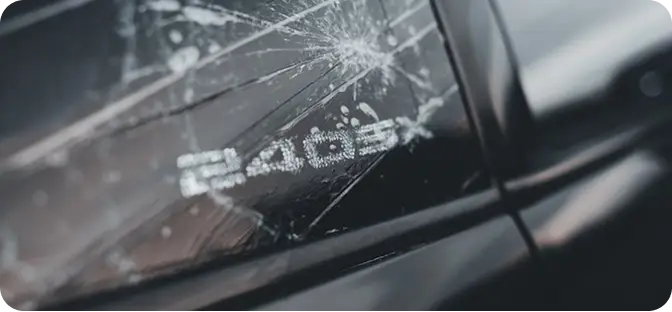
2. Myth 1. Ceramic coating makes your car scratch proof
The most pervasive of all ceramic coating myths. Marketing language including "scratch proof", "rock chip resistant", and "indestructible protection" sets up impossible expectations.
The marketing claim
Ceramic coating creates a hardened protective layer that prevents scratches, rock chips, and surface damage. Your car becomes resistant to keys, shopping trolleys, stones, and minor impacts.
The actual chemistry truth
Ceramic coating is microns thin (typically 2 to 4 microns thick after cure). At Mohs hardness equivalent of 3 to 4 (despite the 9H pencil rating which is a different scale), the coating provides genuine resistance to minor abrasions from washing and light contact. However.
A typical car key (steel, Mohs 5 to 6) scratches through ceramic coating into the paint.
A stone flicked at highway speed (often quartz, Mohs 7) chips through ceramic coating instantly.
A shopping trolley corner (steel) gouges through the coating into the panel.
Sand grains on a parking lot floor (quartz, Mohs 7) cause micro scratches if anything drags them across the coated surface.
Why studios push this myth
The "scratch proof" claim sells coatings at premium prices. Customers willing to pay 50,000 to 1,30,000 rupees expect dramatic protection. Studios know that "significant resistance to minor abrasions" does not justify premium pricing in the customer's mind. So they use "scratch proof" language.
What you should actually expect
Ceramic coating significantly reduces minor swirl marks from improper washing. It provides resistance to fine abrasions during normal use. It does not prevent damage from harder objects, sharp objects, or impact. For impact protection (stone chips, key scratches), you need paint protection film, not ceramic coating. Our PPF cost in Lucknow guide covers when PPF makes sense alongside ceramic.
The honest summary
Ceramic coating provides scratch resistance, not scratch immunity. Real protection against major scratches comes from defensive driving, careful parking, and paint protection film. Ceramic coating handles the chemical and minor abrasion threats only.
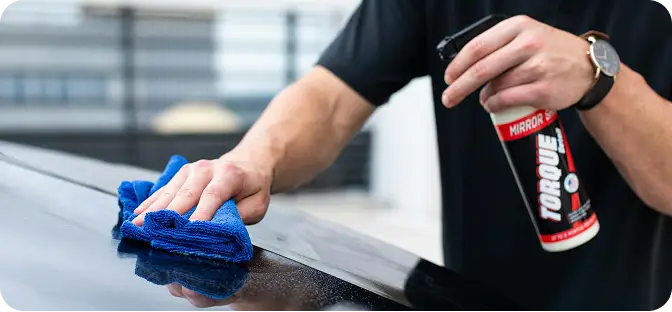
3. Myth 2. Ceramic coating eliminates maintenance and washing
The second most common of the ceramic coating myths. The phrase "set it and forget it" or "no more washing" appears in countless studio marketing materials.
The marketing claim
Once ceramic coating is applied, your car becomes self cleaning. The hydrophobic surface means dirt slides off naturally. You can drive your car in any conditions and it stays clean. Regular washing becomes optional or unnecessary.
The actual chemistry truth
Ceramic coating reduces washing difficulty by 60 to 80 percent. Dirt does slide off more easily. Water beads and rolls off cleanly. The car stays cleaner between washes. However.
Contaminants like bird droppings, tree sap, and bug splatter still bond to the surface and must be removed promptly.
Dust accumulation still requires regular washing.
The hydrophobic layer degrades faster without regular cleaning because contaminants chemically interact with the coating surface over time.
Proper ceramic coating maintenance requires weekly hand washing with pH neutral shampoo.
Why studios push this myth
The "no maintenance" claim makes the high price feel justified. A customer paying 75,000 rupees thinks they are buying years of effortless ownership. The reality of weekly washing requirement is less appealing.
What you should actually expect
You still need to wash your ceramic coated car weekly or every 10 to 14 days. Wash with pH neutral ceramic safe shampoo using the two bucket hand wash method. Apply manufacturer specific top up sealant every 6 to 12 months. The maintenance is easier than uncoated paint but it is not eliminated. Our ceramic coating maintenance guide covers the complete maintenance protocol.
The honest summary
Ceramic coating reduces maintenance, not eliminates it. The protection extends paint life only if maintenance happens consistently. Neglected coating fails 18 to 24 months earlier than properly maintained coating regardless of brand or tier.
4. Myth 3. Higher hardness rating means better protection
This myth feeds on customer confusion about pencil hardness vs Mohs hardness, fuelling claims of 10H, 12H, and even 20H ceramic coatings.
The marketing claim
Some studios advertise 10H, 12H, or 14H ceramic coating, implying their product is harder and therefore more protective than 9H competitors. The higher number sounds better.
The actual chemistry truth
The standardised pencil hardness scale officially maxes out at 9H. There is no standardised 10H, 12H, or higher pencil in the industry. Brands claiming 10H or higher use one of three approaches.
Custom pencils harder than 9H made specifically for marketing claims (no recognised standard).
Mohs scale numbers applied incorrectly to ceramic coating (where 10 is diamond).
Marketing language with no underlying measurement at all.
The actual chemical performance of a "10H" coating versus a "9H" coating from the same tier typically differs by less than 10 percent in real world testing. The label difference is mostly marketing.
Why studios push this myth
In a market where every studio claims 9H, claiming 10H or higher creates apparent differentiation. The higher number justifies higher pricing without requiring actually different chemistry. Easy marketing differentiation.
What you should actually expect
The actual performance of a ceramic coating depends on silica content percentage, cured thickness, chemical resistance, UV stability, and hydrophobic angle. None of these are captured by the hardness number. A 9H Gtechniq Crystal Serum Ultra outperforms a "10H" budget Chinese coating by 10 times in real world durability despite the apparently lower hardness number.
The honest summary
Compare ceramic coatings on the 6 properties that actually matter (silica content, thickness, chemical resistance, UV stability, hydrophobic angle, cure quality), not the marketing hardness number. A 9H from a top tier brand outperforms a 10H from any budget brand reliably.
5. Myth 4. Ceramic coating replaces paint protection film
This is a common misconception that confuses two very different products with different protection scopes.
The marketing claim
Ceramic coating provides comprehensive paint protection that eliminates the need for paint protection film (PPF). One coating gives you full body protection at a fraction of PPF cost.
The actual chemistry truth
PPF and ceramic coating protect against fundamentally different threats.
PPF is a physical film of 6 to 10 mil thickness (150 to 250 microns). It absorbs kinetic energy from stone chips, prevents scratches from minor contact, and protects against physical impact.
Ceramic coating is a chemical layer of 2 to 4 microns thickness. It provides UV protection, chemical resistance, and hydrophobic water repellency. It does not absorb impact.
A stone chip that PPF absorbs without issue cuts through ceramic coating instantly. A bird dropping that ceramic coating handles for 6 hours starts etching PPF within 4 to 6 hours if not cleaned. The two products handle complementary threats.
Why studios push this myth
Ceramic coating costs significantly less than PPF (40,000 to 1,30,000 rupees versus 1.5 to 6 lakhs). Studios that do not offer quality PPF push the narrative that ceramic alone is sufficient. The customer saves money and feels well protected. The reality of the protection gap shows up over months of stone chip accumulation.
What you should actually expect
For complete premium car protection in Lucknow conditions, the right approach is PPF on high impact zones (front bumper, leading bonnet edge, fenders, rocker panels) plus ceramic coating across all panels including over the PPF. Each product handles its specific threat. The combined approach costs more but delivers genuine comprehensive protection. For comparison detail, our PPF cost in Lucknow guide and ceramic coating cost in Lucknow guide cover both products in pricing context.
The honest summary
Ceramic coating and PPF are complementary, not competitive. Replacing PPF with ceramic coating leaves stone chip exposure unaddressed. Replacing ceramic coating with PPF leaves UV and chemical exposure unaddressed. Both products serve different protection needs.
6. Myth 5. All 9H ceramic coatings are equal
A myth that exploits the confusion around the hardness rating. Every ceramic coating sold in India is labelled 9H. The marketing implies equivalent performance.
The marketing claim
Since all ceramic coatings rate 9H on the pencil hardness scale, they all provide equivalent protection. Choose the cheapest 9H option to save money.
The actual chemistry truth
The 9H rating refers to a single test (pencil hardness test) that measures one property (resistance to graphite pencil scratching). It does not measure silica content, thickness, chemical resistance, UV stability, hydrophobicity, or any of the other 5 properties that determine real world coating performance.
Two products both legitimately rated 9H can vary dramatically.
Silica content. 30 percent versus 90 percent (the higher percentage gives 3 times the durability).
Cured thickness. 0.5 microns versus 3 microns (the thicker layer provides 6 times the sacrificial protection).
Chemical resistance. pH 5 to pH 9 tolerance versus pH 1 to pH 14 tolerance.
UV stability. 12 months versus 7 years.
Hydrophobic angle. 90 degrees versus 115 degrees.
Cure chemistry. Quick flat cure versus 14 day progressive cure.
A Tier 1 generic Chinese 9H ceramic coating costs the studio 300 to 500 rupees per car. A Tier 4 Gtechniq Crystal Serum Ultra 9H coating costs the studio 12,000 to 18,000 rupees per car. Both legitimately rate 9H. They are not the same product.
Why studios push this myth
The 9H label allows budget studios to position generic Chinese product as equivalent to premium brands. Customers comparing on label alone cannot distinguish. Studios selling premium brands cannot easily explain why their 9H costs 10 times more without admitting the label is mostly marketing.
What you should actually expect
Compare ceramic coating options on the 6 properties that actually matter, not on the shared 9H label. Ask which specific brand and product line is being applied. Ask for the manufacturer datasheet with technical specifications. A premium 9H delivers 5 to 7 years of real performance. A budget 9H delivers 6 to 12 months despite identical label.
The honest summary
The 9H label is shared across all ceramic coating tiers but the products are not equivalent. Real performance varies by 10 times across the same labelled hardness. Pay for the chemistry, not the hardness number.
7. Myth 6. Lifetime warranty means the coating lasts forever
A myth designed specifically to justify the highest tier pricing. Brand marketing materials suggest your coating is protected forever with no further cost.
The marketing claim
Lifetime warranty ceramic coating provides protection for as long as you own the car. The brand replaces the coating if it fails. You will never need to pay for reapplication.
The actual chemistry truth
Read the warranty fine print of any "lifetime" ceramic coating. The standard disclaimers include:
Mandatory annual professional inspection at the original installer (cost 3,000 to 8,000 rupees per visit).
Specific approved maintenance products only (typically branded products costing 5,000 to 15,000 rupees annually).
No damage from any external cause (excluding accidents, vandalism, environmental extremes, improper washing).
Specific documented washing technique (often unenforceable in practice).
Failure to satisfy any condition voids the warranty completely.
In practice, most "lifetime" warranty claims are denied due to one or more disclaimer failures. Industry surveys suggest less than 5 percent of lifetime warranty claims are honoured without disputes.
Why studios push this myth
The lifetime claim justifies the highest tier pricing (often 1.5 to 4 lakhs for full body coverage). The warranty technically exists on paper. The disclaimers make practical enforcement nearly impossible. The studio collects premium pricing without realistic warranty liability.
What you should actually expect
Even premium Tier 4 and Tier 5 ceramic coatings deliver 5 to 8 years of real world performance in Lucknow conditions, not lifetime. Plan for reapplication at that point regardless of warranty status. If your warranty fails to deliver protection beyond this realistic period, do not be surprised. The marketing "lifetime" describes paper coverage, not practical longevity.
The honest summary
Lifetime warranty is marketing language with disclaimers that make it largely unenforceable in practice. Buy ceramic coating for the real world durability it delivers (5 to 8 years for premium tiers), not for the warranty paper that exists but rarely pays out. Our how long does ceramic coating last guide covers the warranty versus reality gap in detail.
8. Myth 7. Ceramic coating heals scratches and swirl marks
This ceramic coating myth comes from confusion with self healing technology that exists in PPF, not ceramic coating.
The marketing claim
Ceramic coating includes self healing technology. Minor scratches and swirl marks disappear over time as the coating heals itself. Sun exposure activates the healing.
The actual chemistry truth
Ceramic coatings do not self heal. The chemistry of SiO2 based coatings does not include the thermoplastic properties needed for self healing.
The healing capability the marketing refers to is a property of premium PPF (paint protection film). PPF made from aliphatic TPU contains thermoplastic compounds that flow under heat to fill minor scratches. Ceramic coating does not contain these compounds.
Two effects can resemble self healing on ceramic coating, leading to the myth.
Light swirl marks visible only at certain angles disappear when surface temperature changes due to optical effects, not chemical healing.
Minor contamination that looks like swirl marks washes off during maintenance, appearing to have healed.
Neither effect is actual chemical self healing.
Why studios push this myth
Self healing sounds impressive and justifies premium pricing. The marketing borrows the legitimate PPF self healing benefit and applies it to ceramic coating where it does not exist. Customers do not typically know the difference.
What you should actually expect
Scratches and swirl marks on ceramic coated paint require paint correction to remove. The coating must usually be removed, the paint corrected, and the coating reapplied. There is no self healing mechanism in ceramic coating chemistry. For genuine self healing protection against scratches, you need PPF.
The honest summary
Self healing is a PPF property, not a ceramic coating property. Marketing that claims ceramic coating self heals is either using imprecise language or actively misleading. Verify any self healing claim against the actual brand specification sheet.
9. Myth 8. The 5 things studios will not tell you about ceramic coating
These are the specific facts that even honest studios often skip in their initial consultation because they complicate the sale.
Thing 1. The 7 day curing period is critical and most owners ignore it
Marketing pitches focus on application day. The 7 to 14 day curing period after application is when the coating chemistry actually develops its full hardness and bonding. Most owners drive in rain, wash too early, or expose the curing coating to harsh conditions. Studios know this but rarely emphasise it strongly because the warning sounds restrictive.
Thing 2. Paint correction is mandatory for any car not brand new
A used car or any car with visible swirl marks needs paint correction before ceramic coating application. Otherwise the coating seals existing defects permanently under the new layer. The defects become impossible to remove without removing the coating first. Some studios skip paint correction to keep the price lower in the quote, then deliver disappointing results that the customer blames on the coating rather than the missing prep step.
Thing 3. The maintenance commitment is heavier than advertised
Marketing emphasises easier washing. Marketing does not emphasise the requirement of weekly hand washing with specific products, quarterly top up sealant application, and annual professional inspection. Owners who skip these requirements see coating fail 18 to 24 months earlier than expected. The studio is rarely accountable because warranty disclaimers cover maintenance gaps.
Thing 4. The price difference between brands is real and meaningful
Studios offering 9H ceramic coating at 12,000 rupees and 75,000 rupees are not selling the same product at different markups. They are selling Tier 1 generic Chinese product versus Tier 3 premium imported product. The 60 percent price difference reflects 6 to 10 times performance difference. Customers comparing on price alone often choose the cheap option without understanding what they are actually buying.
Thing 5. Upselling tactics during installation are common
A common pattern. Customer commits to "basic 9H ceramic" at 25,000 rupees. During installation, the studio "discovers" the paint needs more correction (true). The price increases to 35,000 rupees. Then the wheels need separate coating (true). Now 42,000. Then headlights. Now 48,000. Then top up products that "improve the coating significantly". Now 55,000. The original 25,000 rupee quote has become 55,000 rupees through legitimate but unexpected add-ons. Quality studios provide written all-inclusive quotes upfront to prevent this pattern.
What honest studios do differently
Provide written all-inclusive quotes upfront covering all 7 line items (coating, prep, paint correction, multiple layers, glass coating, wheel coating, warranty registration).
Explain the 7 day curing period clearly with written instructions.
Specify the exact brand and product line in writing.
Provide manufacturer datasheets for verification.
Explain realistic maintenance commitment honestly.
Set realistic durability expectations matching the actual product tier.
10. Conclusion. How to think clearly about ceramic coating myths
The honest summary on ceramic coating myths. The industry has built marketing language that promises more than the chemistry delivers. Scratch proof, lifetime protection, no maintenance, 10H hardness, self healing. None of these claims survive contact with actual physics and chemistry. The marketing exists because customers respond to absolute claims even when those claims are not technically accurate.
What ceramic coating actually delivers is significant but specific. Real protection against minor abrasions from washing. Real chemical resistance to acidic contaminants. Real UV protection that slows clear coat aging. Real hydrophobicity that makes washing easier. Real gloss enhancement. These benefits collectively extend paint life by 30 to 50 percent and improve daily ownership experience. They are not magic. They are meaningful.
To navigate ceramic coating myths confidently, apply 4 evaluation principles to any quote.
Verify the specific brand and product line, not just the marketing hardness number. A premium 9H from Gtechniq, GYEON, Modesta, Ceramic Pro, or CarPro outperforms any "10H" budget brand reliably.
Verify the 6 chemistry properties that matter (silica content, thickness, chemical resistance, UV stability, hydrophobic angle, cure schedule). These determine real performance, not the headline label.
Verify what the warranty actually covers in the disclaimers. Most "lifetime" warranties have disclaimers that make practical enforcement nearly impossible. Real coatings deliver 3 to 8 years of meaningful performance regardless of warranty paper.
Verify the maintenance commitment honestly. Ceramic coating requires weekly washing with specific products, quarterly top ups, and annual inspections. Studios that downplay this requirement are setting up disappointment.
For Lucknow specifically, the realistic expectation should be. Tier 3 premium ceramic from genuine brand at proper studio delivers 3 to 5 years of meaningful protection. Tier 4 top tier delivers 5 to 7 years. The protection is real. The "lifetime" marketing is not.
If you can identify which of the 8 ceramic coating myths a particular studio is using, you can engage with their pricing and claims more critically. You will end up with the right product at the right price for your actual needs. Not the cheapest. Not the most expensive. The right one.
Call or WhatsApp Colomoto on +91 7388800192 for an honest ceramic coating consultation that addresses ceramic coating myths and provides realistic expectations. Visit 323, Ahimamau, Sultanpur Road, Lucknow. Email info@colomoto.in. We provide written all-inclusive quotes, specify the exact brand and product line, document the 6 chemistry properties, and explain honest maintenance requirements upfront. The truth makes ceramic coating worth buying for the right reasons.
11. Frequently asked questions
Both. Marketing departments create the absolute claims initially. Studios then repeat the claims because they sell product. Over time, junior detailers learn the marketing language as if it were fact. The ceramic coating myths become embedded in industry vocabulary. Senior detailers who know better often continue using the language because changing it requires re-educating customers and competing studios refuse to follow.
The "scratch proof" claim sells coating at premium prices. Customers willing to pay 50,000 to 1,30,000 rupees expect dramatic protection. Studios know that "high resistance to minor abrasions" does not justify premium pricing in the customer's mind. So they use the stronger claim. The chemistry truth is that ceramic coating provides scratch resistance to minor abrasions, not immunity from major scratches.
No. The 9H rating measures one property (resistance to pencil hardness) on a 1900s industrial coating test. Real coating performance depends on 6 other properties (silica content, thickness, chemical resistance, UV stability, hydrophobic angle, cure quality). Two 9H coatings can differ by 10 times in real world durability despite identical label.
Technically yes in writing. Practically rarely honoured due to disclaimers requiring annual inspection, specific products only, no external damage, and detailed documentation. Industry surveys suggest less than 5 percent of lifetime warranty claims are honoured without disputes. Buy ceramic coating for the real world durability it delivers (5 to 8 years for premium tiers), not for the warranty paper.
No. PPF and ceramic coating protect against different threats. PPF absorbs physical impact from stones and minor contact. Ceramic coating provides chemical and UV protection. They are complementary, not competitive. For complete premium car protection, both are needed. Substituting one for the other leaves significant protection gaps.
No. Self healing is a property of premium PPF (paint protection film) made from aliphatic TPU. Ceramic coating chemistry does not include the thermoplastic compounds needed for self healing. Marketing claims of self healing ceramic coating are either using imprecise language or actively misleading. Light effects that resemble healing are not actual chemical healing.
Common upsell triggers during installation. Discovered paint correction needs (sometimes legitimate, sometimes manufactured). Wheel coating not in initial quote. Headlight coating not in initial quote. Additional layers not in initial quote. Top up products. These add-ons can take a 25,000 rupee quote to 55,000 rupees. Quality studios provide written all-inclusive quotes upfront that prevent this pattern.
No. Ceramic coating reduces washing difficulty by 60 to 80 percent but does not eliminate washing. Weekly hand washing with pH neutral shampoo using two bucket method is still required. Contaminants like bird droppings still need prompt removal. The hydrophobic layer degrades without regular cleaning. Marketing that suggests "no more washing" is misleading.
A 5 year warranty typically corresponds to 3 to 3.75 years of full real world performance in Lucknow conditions. The warranty period and actual durability are different by 25 to 35 percent. After year 3 to 4, the coating enters declining performance stage. Plan for reapplication at year 4 to 5 regardless of warranty period.
Yes, but with honest expectations. Real protection against minor abrasions, chemical contaminants, UV damage, and water beading is meaningful for premium cars driven daily. The benefits extend paint life by 30 to 50 percent. Avoid being misled by absolute marketing claims. Buy ceramic coating for the real benefits, not the marketing fiction.
Verify the specific brand and product line in writing. Verify the 6 chemistry properties matter. Read the warranty disclaimers carefully. Compare options on real performance metrics not marketing labels. Ask for manufacturer datasheets. Ask studios that hedge on these questions to provide proof or move on. Honest studios welcome these questions.
Call or WhatsApp on +91 7388800192. Email info@colomoto.in. Visit 323, Ahimamau, Sultanpur Road, Lucknow any weekday or Saturday between 10 AM and 7 PM. Our consultations address ceramic coating myths directly and provide realistic expectations. Written all-inclusive quotes, specific brand documentation, and honest maintenance requirements provided upfront.
Helpful resources
For further reading on ceramic coating myths and industry realities, these sources are useful.
Resources We Used
This guide is based on industry-standard knowledge, product specifications, and real world outcomes from Indian car owners. Here are some trusted sources if you want to explore further:
- Team-BHP Indian owner ceramic coating experiences with honest assessment of marketing claims versus real world performance, for community perspective on industry myths.
- Gtechniq Gtechniq manufacturer site with realistic durability claims and honest warranty terms compared to industry marketing language, for understanding premium brand transparency.
- Detailing Scout Independent detailing analysis covering ceramic coating myths versus reality, for unbiased industry perspective.
Ready for an honest ceramic coating consultation
Call or WhatsApp Colomoto on +91 7388800192 for a consultation that addresses ceramic coating myths directly. We provide written all-inclusive quotes, specify exact brand and product line, document the 6 chemistry properties that actually matter, and explain realistic durability and maintenance expectations honestly. Visit 323, Ahimamau, Sultanpur Road, Lucknow for in-person consultation. Email info@colomoto.in with any questions about ceramic coating myths, pricing, or product selection.

